Ransomware at Scale: Lessons from the DaVita Healthcare Data Breach
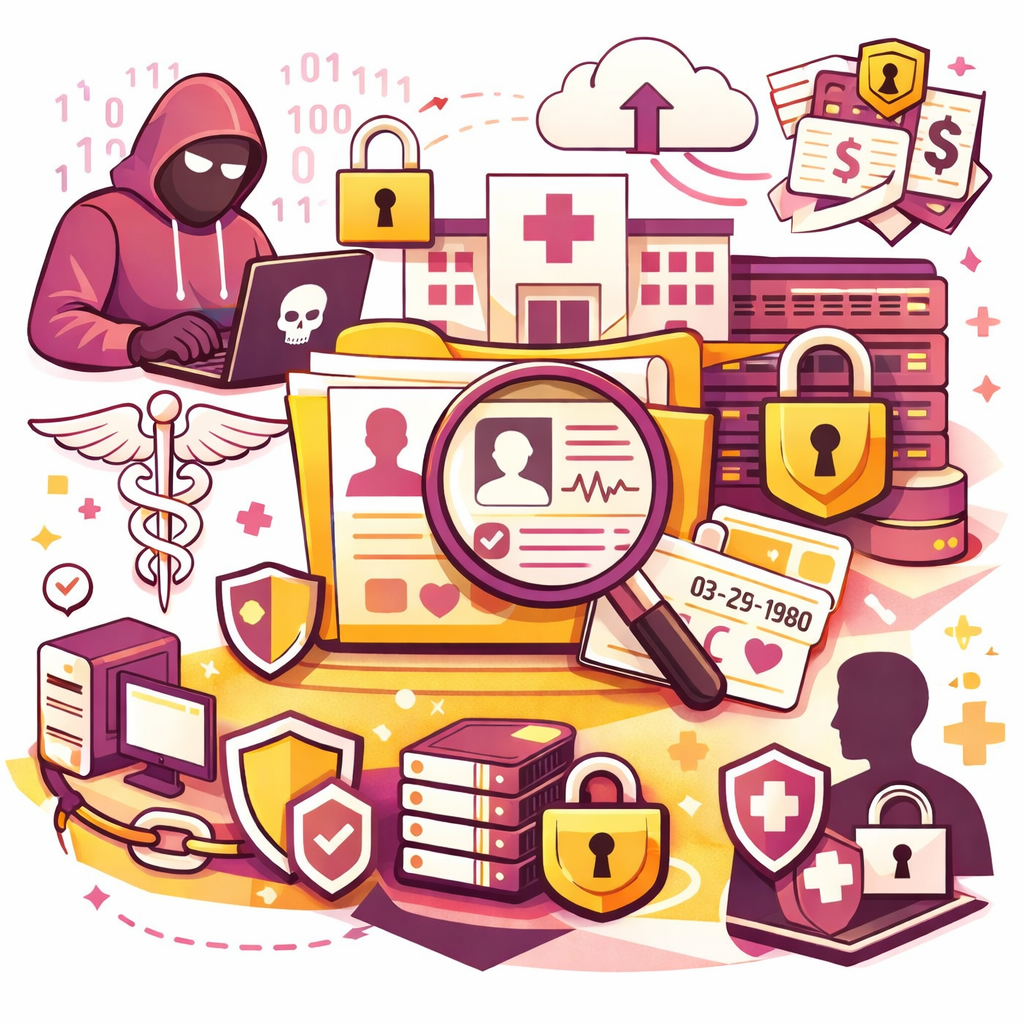
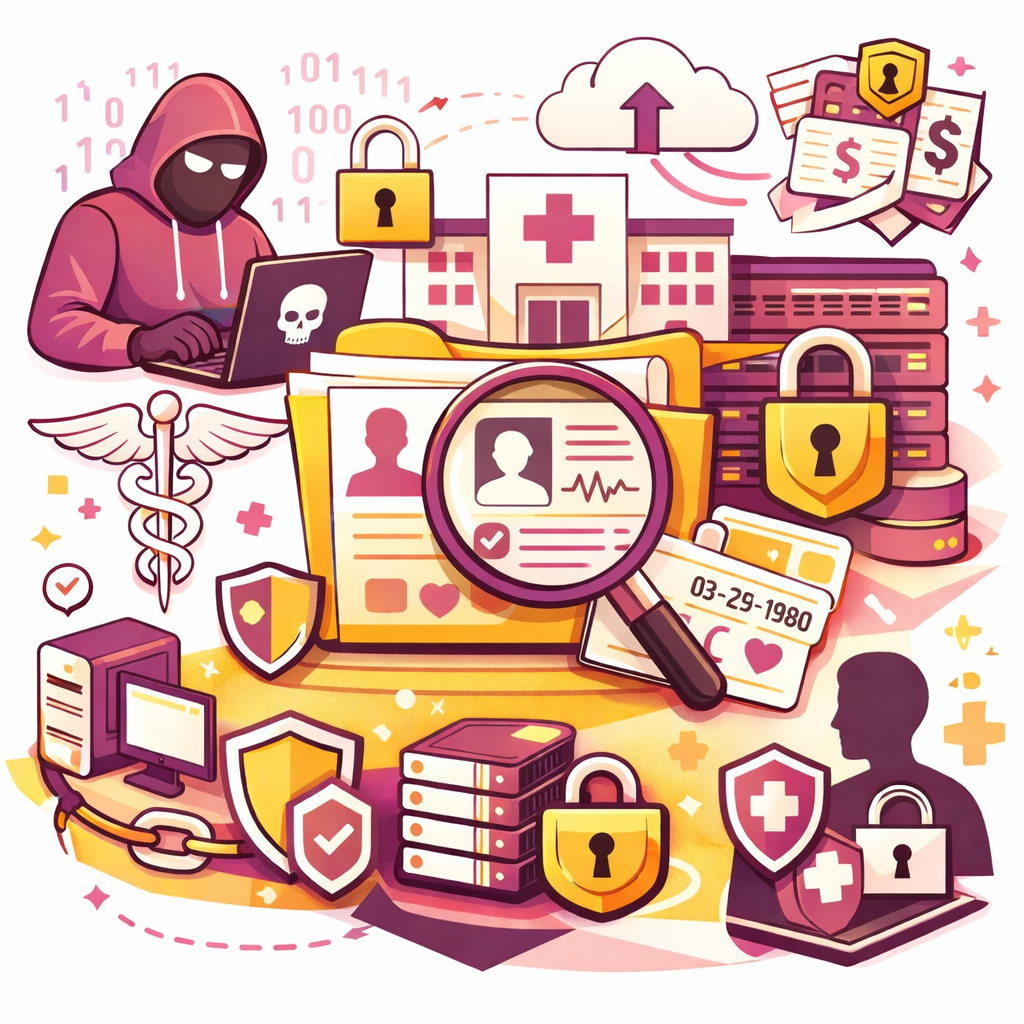
On 25 August 2025, the cybersecurity world spotlighted a significant healthcare breach when DaVita Inc.—one of the largest kidney dialysis service providers in the U.S.—confirmed that a ransomware attack exposed sensitive personal and medical information of nearly 2.7 million patients. The attackers, claiming responsibility as the Interlock ransomware gang, gained access to DaVita’s network infrastructure in late March and remained inside until mid-April 2025, exfiltrating data from lab database servers before encryption and public exposure occurred.
This incident represents a stark reminder that no industry—especially those handling highly sensitive data like healthcare—can be complacent with cybersecurity. In sectors where patient care is paramount, the stakes are even higher: ransomware can disrupt services, degrade trust and create long-term privacy risks for individuals whose information is exposed.
What Went Wrong
In the DaVita breach, several key breakdowns contributed to the success of the attack:
- Unauthorized Network Access: The attackers maintained prolonged access, indicating insufficient network segmentation and detection capabilities.
- Extended Dwell Time: The threat actors were able to move within the environment for weeks before being detected and isolated.
- Data Exposure Before Encryption: Modern ransomware groups often practice “double extortion”—exfiltrating data before deploying ransomware, increasing leverage and damage.
Practical Prevention and Response Steps
To help organisations better defend against similar breaches, below are practical actions rooted in cybersecurity best practice:
1. Zero Trust and Network Segmentation
Segment critical systems, particularly those storing sensitive data such as medical or financial records. By limiting lateral movement, attackers—even if they breach an entry point—cannot easily access the most sensitive assets.
2. Continuous Monitoring and Threat Detection
Implement advanced monitoring solutions to detect anomalous activity rapidly. Moderate dwell time is one of the biggest risk factors in ransomware breaches; faster detection dramatically limits data exfiltration and network compromise.
3. Patch and Vulnerability Management
Regular vulnerability scanning and patching reduce opportunities for attackers to exploit known weaknesses in software or services—one of the most common intrusion methods.
4. Regular Backup and Disaster Recovery Testing
Ensuring reliable, isolated backups can help organisations restore operations quickly without paying ransom. Frequent backup testing ensures that recovery procedures work when they’re needed most.
5. Employee Awareness and Phishing Defense
Human error is a leading cause of breaches. Security training and simulated phishing tests empower employees to recognise and report suspicious activity, closing a common attack vector.
How a High-Quality MSP Like Modena360 Helps
An experienced Managed Service Provider (MSP) like Modena360 brings a proactive cybersecurity posture to organisations of all sizes. Modena360 can help by:
- Designing and implementing Zero Trust architectures to isolate sensitive systems
- Providing 24/7 monitoring and incident detection services to catch intrusions early
- Conducting penetration testing and vulnerability assessments to identify weak spots
- Facilitating cybersecurity training for staff to reduce human risk
- Managing secure, tested backups and rapid incident response playbooks
By combining technology, expertise, and ongoing managed services, Modena360 helps clients prevent attacks before they occur and respond swiftly and effectively when incidents inevitably emerge.