European Airport Systems Held to Ransom — What Businesses Must Learn from the Collins Aerospace Cyberattack
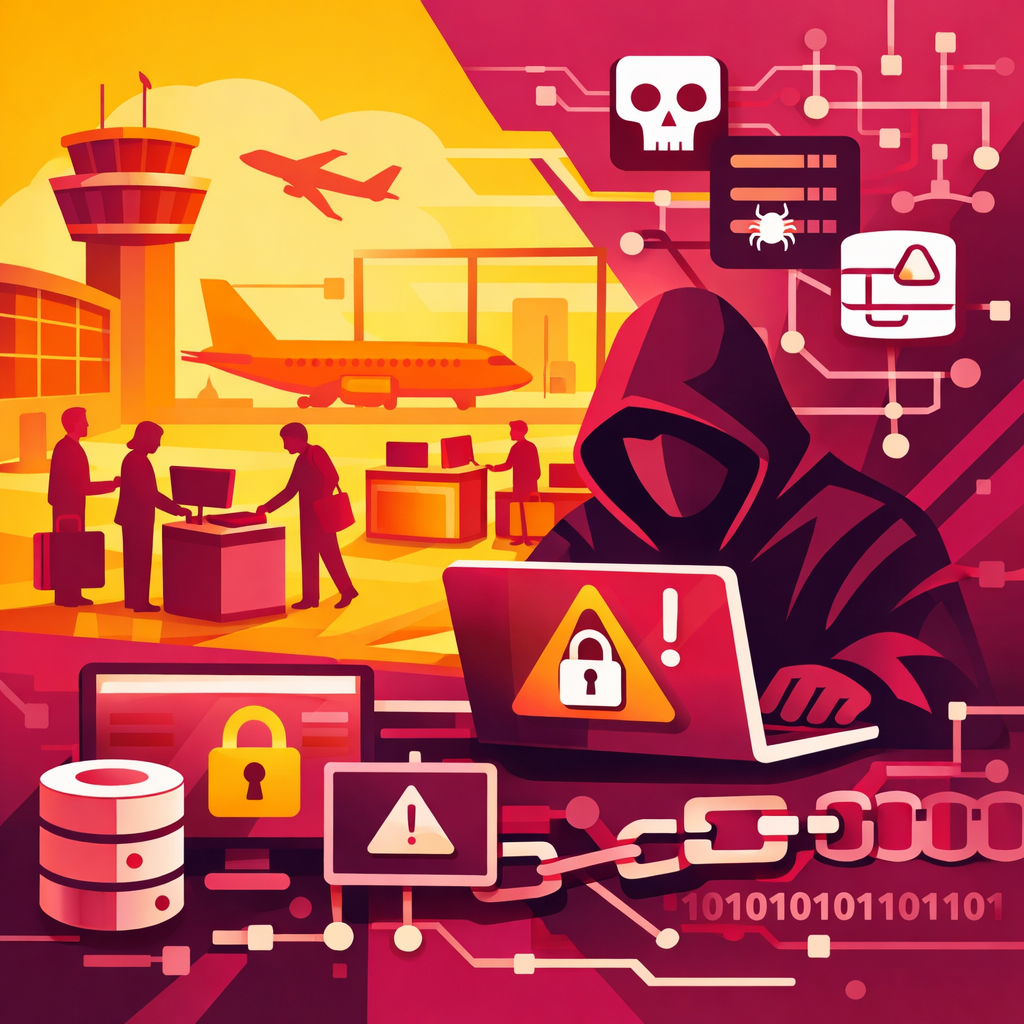
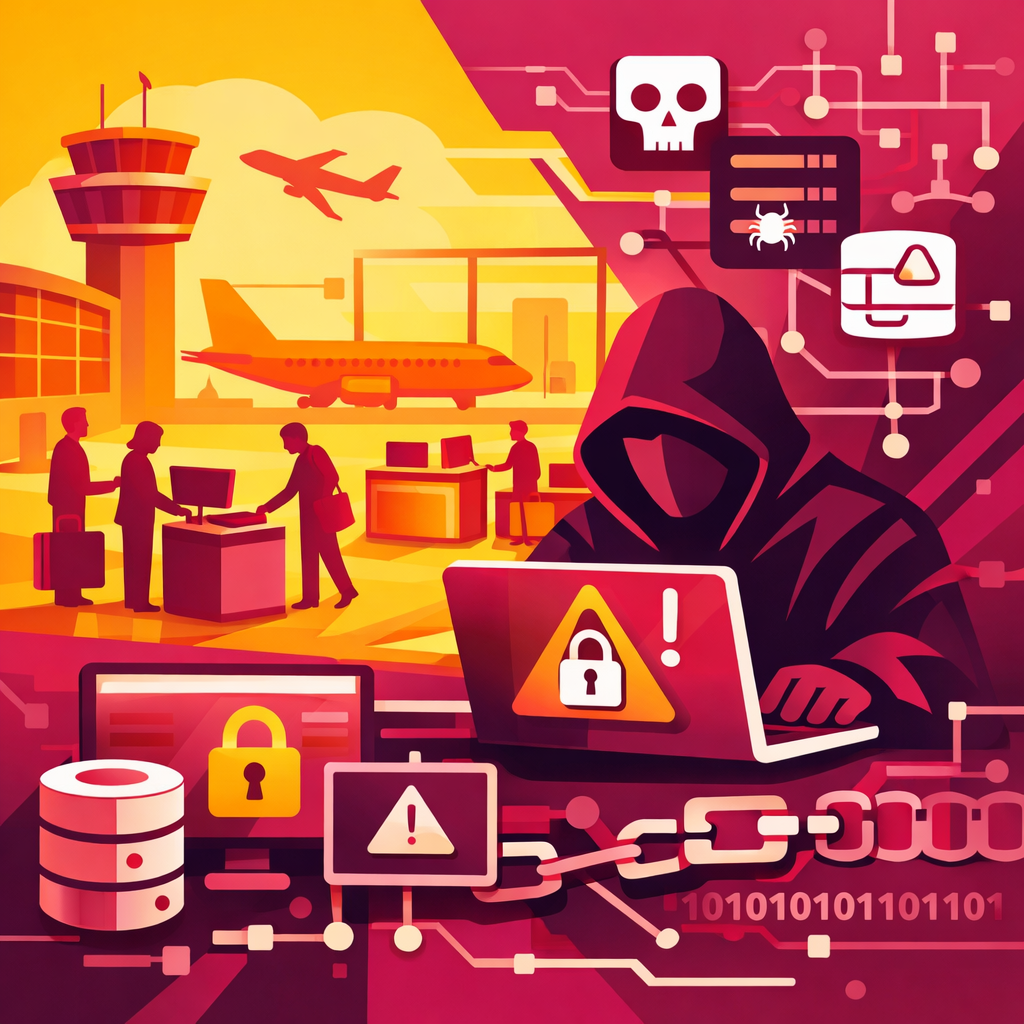
In an era where digital systems run everything from banking to transportation, the September 2025 Collins Aerospace cyberattack stands as a stark reminder: even the most mission-critical infrastructure can’t be taken for granted. A successful ransomware operation against a key aviation service provider forced European airports to revert to manual check-ins, baggage handling and boarding processes, grinding normal operations to a halt and exposing weaknesses in dependency chains.
The Heart of the Risk: Third-Party & Supply Chain Exposure
The Collins Aerospace incident didn’t originate within the airport IT teams—it hit a third-party platform on which multiple airports rely. Because aviation systems are deeply interconnected, a single point of compromise impacted operations across borders. This type of supply chain risk is a growing trend: attackers increasingly probe indirect dependencies because breaches there can ripple outward with devastating consequences.
For organisations of any size, this means traditional network perimeter security isn’t enough. Every partner, cloud service, managed platform, or outsourced system is part of your enterprise attack surface.
Proactive Prevention: What You Can Do Now
1. Risk-Aware Vendor Management
Not all partners carry equal risk. High-impact vendors should be assessed continuously—not just at onboarding. Security questionnaires, ongoing vulnerability scans, and contractual requirements for incident transparency are essential.
2. Zero Trust Architecture
Implicit trust amplifies risk. A Zero Trust model enforces strict identity and access controls, ensuring no system or user is trusted without verification. This dramatically reduces lateral movement potential if an external system is compromised.
3. Automated Patch & Update Systems
Many ransomware vectors exploit outdated software or missed patches. Keeping critical systems up to date with automated patch management reduces exploitable windows for attackers.
4. Strong Backup & Recovery Planning
Airports scrambled to manual processes because backups and recovery weren’t instantaneous. Business continuity plans must be tested regularly, with backups stored offline and validated for rapid restoration in ransomware scenarios.
Rapid Detection and Response
Speed matters. The longer an attacker remains undetected, the deeper they can infiltrate. Managed Security Operations Centers (SOCs) and 24/7 monitoring with real-time alerting help detect suspicious activity early, triggering response playbooks before encryption or ransom demands escalate impact.
An MSP like Modena360 amplifies small- and medium-business (SMB) capabilities by embedding next-gen SIEM tools, threat intelligence, and expert analysts into your defence strategy without the need for costly internal hires.
Why Resilience Is a Competitive Advantage
Critical infrastructure sectors like aviation can’t afford prolonged outages. But the same principles apply to SMBs: downtime equals lost revenue, damaged trust, and recovery costs that far exceed prevention investment. Whether you run a healthcare provider, a logistics firm, or an online retailer, building resilient systems protects reputation and keeps operations running—even when threats evolve.
Modena360 Can Help
At Modena360, we partner with businesses to:
- Assess and harden your attack surface
- Implement Zero Trust and robust access controls
- Monitor 24/7 with expert SOC support
- Develop tested incident response and recovery plans
Don’t wait for a breach to become a crisis—prepare today with a proactive security posture that fits your organisation’s size and risk profile.