How the DoorDash Data Breach Highlights the Rise of Social Engineering — and What MSPs Must Do to Prevent It
In mid-November 2025, DoorDash disclosed that it had suffered a major data breach after an employee fell victim to a social engineering scam that allowed an unauthorized third party to access internal systems. While the company noted that no financial or government-ID information was accessed, the breach exposed millions of users’ contact details — including names, email addresses, physical addresses, and phone numbers — across several countries.
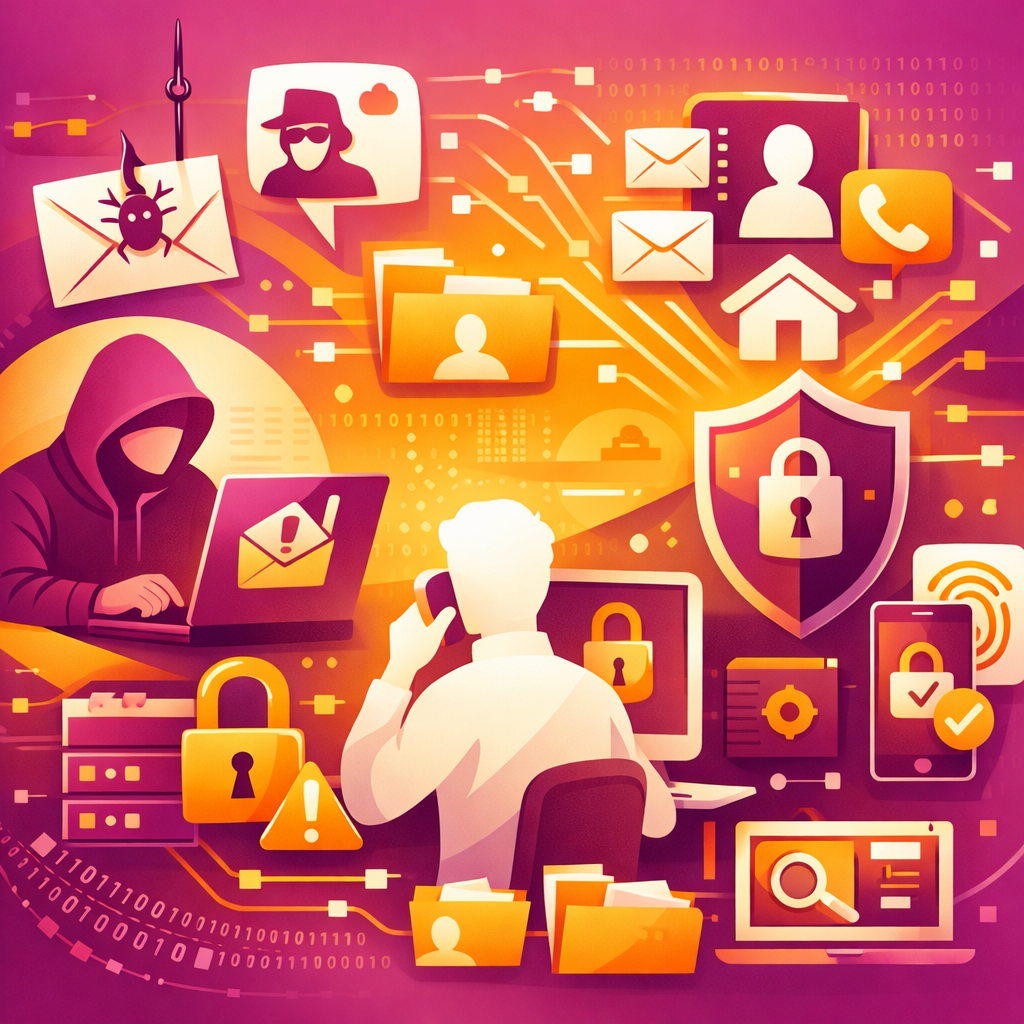
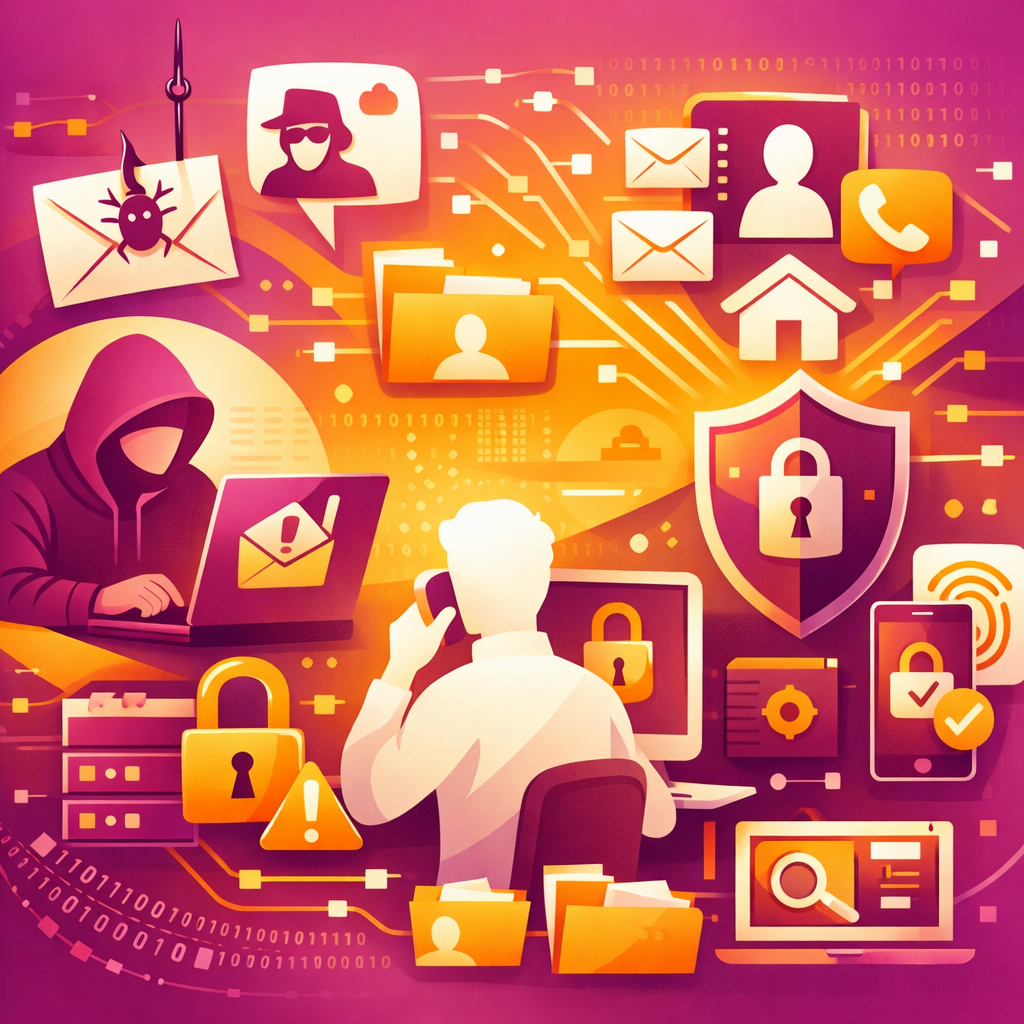
This incident underscores a troubling global trend: attackers are increasingly eschewing “traditional” malware in favor of human-targeted attacks that exploit weak links in organisational security — namely, people rather than infrastructure. Social engineering is especially insidious because it bypasses many technical controls by manipulating trusted individuals into divulging credentials or access. That makes it one of the fastest-growing vectors in cybercrime today.
What Went Wrong: Social Engineering Still Works
At the heart of the DoorDash incident was a classic social engineering tactic. An attacker posed as a trusted source and convinced an employee to provide access to systems they shouldn’t have. Once inside, the actor was able to navigate to areas holding user data and exfiltrate contact information. Despite being a non-technical attack vector, the results are serious: exposed personal information can serve as the foundation for phishing, account compromise, identity theft, and credential stuffing attacks long after the initial incident.
Prevention Starts with People
One of the best defenses against social engineering is employee training. Cybersecurity programmes must go beyond generic awareness sessions and incorporate real-world attack simulations, regular phishing tests, and up-to-date threat briefings so staff can recognise and report suspicious activity before granting access. MSPs like Modena360 provide ongoing security education tailored to organisational roles and risk levels — ensuring that employees are equipped to resist social persuasion attempts.
Multi-Layered Access Controls Matter
Technical safeguards such as multi-factor authentication (MFA), least-privilege account policies, and strict session controls are critical in limiting the blast radius when credential compromise does occur. In the DoorDash scenario, strong MFA and role-based access limits could have prevented unauthorized system access even after employee credentials were exposed.
Continuous Monitoring and Rapid Response
A mature security posture includes real-time logging and monitoring of user behaviour, endpoint detection systems, and alerting platforms that detect anomalies early. Modena360 offers 24/7 Managed Detection and Response (MDR) services that can spot suspicious lateral movement within networks — often before data exfiltration begins. Early detection limits damage and reduces recovery costs.
Incident Response Planning Saves Time and Reputation
Finally, having a tested incident response plan is essential. Organisations that rehearse breach scenarios can respond more quickly, communicate transparently with stakeholders, and restore trust faster. MSPs like Modena360 help craft and refine IR playbooks, conduct tabletop exercises, and coordinate with legal and PR teams when real breaches occur.
Call-to-Action
Protect your business from social engineering and data breaches. Partner with Modena360 for proactive cybersecurity strategy, employee training, and 24/7 managed detection so you stay ahead of evolving threats. Contact us today to learn how we can strengthen your cyber resilience.